Industry-Specific Equipment Financing Solutions Built Around How Businesses Actually Work

An equipment purchase usually starts with something happening in the business. A contract comes through. An old machine is becoming expensive to keep alive. Production is getting squeezed. Winter is approaching. A fleet needs another unit. At that point, the question is rarely just, “Can we finance this?” The better question is whether the financing understands what the equipment is expected to do for the business.
1. Landscaping and Snow Removal: Let the Financing Recognize the Season
A landscaping company does not earn money in exactly the same rhythm as a business operating twelve months a year. Neither does a snow-removal contractor. Their equipment may sit relatively quiet for part of the year and then become the center of the operation almost overnight.
That changes the financing conversation.Practical and friendly Landscape Equipment Financing must make sense alongside the business’s actual revenue cycle. A landscaping operator replacing equipment before the busy season, for example, may need working capital left available for labor, fuel and other operating costs. A snow-removal business may need its equipment ready before demand arrives, not after the first major snowfall.
That is why payment structure deserves as much attention as the equipment itself. Seasonal cash flow, replacement timing, expansion plans and available working capital all belong in the discussion.
2. Construction and Transportation: Finance What Keeps the Work Moving
Take a contractor who has just secured a project and needs an excavator. The machine is not sitting on a wish list. It has a job waiting for it. Crews may already be scheduled, materials ordered and project deadlines agreed upon. Every week without the right equipment can have a practical cost.
The same thinking applies when a transportation company needs additional trailers or a concrete operation is looking at another mixer truck.
Equipment financing for these businesses may involve:
- Excavators and other heavy construction equipment
- Concrete mixers and specialized trucks
- Trailers and transportation assets
What matters is the context around the purchase. A financing professional who understands equipment-driven businesses can look at why the asset is being acquired, how it will be used and what the business needs the transaction to accomplish. That is a very different conversation from simply asking how much money the owner wants to borrow.
3. Forestry, Mining and Oilfield: The Working Environment Changes the Equation
Put an ordinary piece of equipment beside a machine working in forestry, mining or an oilfield operation, and the difference becomes obvious. Hours are heavier. Conditions can be rougher. Equipment may be exposed to demanding terrain, loads and operating environments that accelerate wear.
Read More: How Expert Commercial, Office & Industrial Cleaning Keeps New Jersey Facilities in Top Condition
For an owner, that creates very practical financing decisions. Perhaps an existing machine is still earning but needs to be replaced before downtime becomes a problem. Perhaps a new contract requires another unit immediately. Or perhaps the business needs to expand without draining the cash it uses to keep current operations running.
A financing professional needs to understand that story. The asset’s role, the reason for the purchase and the timing of the investment can all influence how the transaction should be approached. Good service starts with listening before recommending a structure.
4. Manufacturing and Industrial Processing: Add Capacity Without Emptying the Cash Reserve
Manufacturing businesses often know exactly what a new machine could change. It might remove a production bottleneck, increase output or make it possible to accept orders that currently have to be turned away.
But there is another calculation happening quietly in the background: How much cash should leave the business to acquire that equipment?A manufacturer may need its reserves for payroll, inventory, materials, maintenance and unexpected operating costs. Using all available cash for one productive asset can solve one problem while creating another.
That is where financing options such as asset-based lending, capital leases, operating leases, term loans, working capital and pre-approved equipment lines can become strategic tools, subject to approval and deal structure.
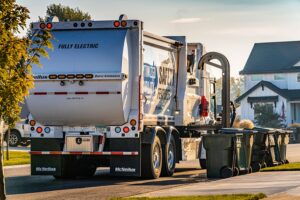
Read More: Rear Loader Compactor Truck for Municipal Waste
The objective is not simply to put another machine on the floor. It is to increase productive capacity while keeping the rest of the business financially functional.
In essence, industry-specific financing is ultimately about seeing the business behind the equipment. The machine has a purpose, a working environment, a revenue role and a timing requirement. When financing professionals take those details seriously, the conversation becomes more than arranging capital. It becomes a considered strategy for putting the right asset to work without losing sight of the business supporting it.