
Sealing the Invisible: The Art of Hermetic Feedthroughs
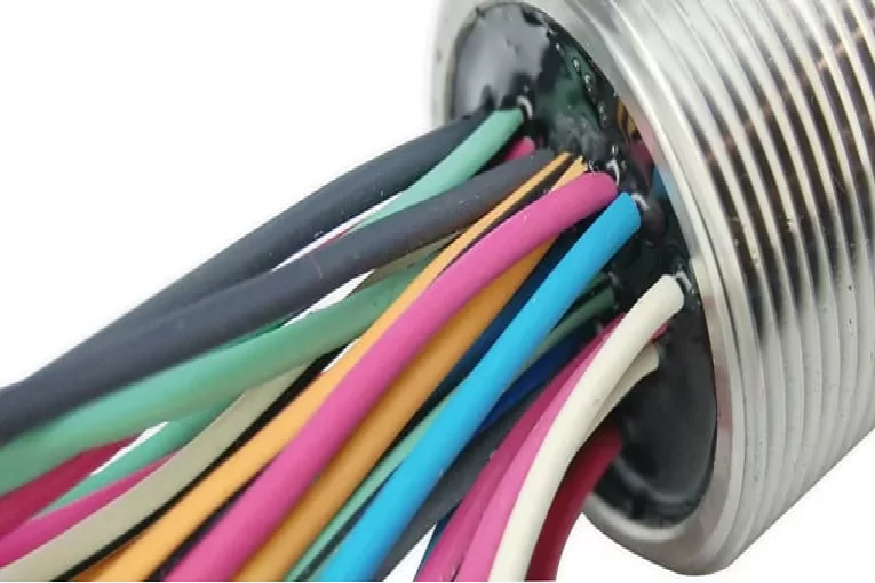
In the world of electronics and technology, one of the most important and often overlooked components is the hermetic feedthrough. These small, seemingly invisible devices play a crucial role in sealing electronic packages and ensuring the integrity of sensitive equipment. In this article, we will explore the art of hermetic feedthroughs, their importance, and how they work to keep our electronics safe and reliable.
What are Hermetic Feedthroughs?
Hermetic feedthroughs are small components that are designed to create a reliable seal in electronic packages. They are commonly used in a wide range of industries, including aerospace, medical, and telecommunications, where the integrity of electronic equipment is crucial. Hermetic feedthroughs are typically made from materials such as glass, ceramic, or metal, and are designed to provide a completely sealed environment for sensitive electronics.
How do Hermetic Feedthroughs Work?
Hermetic feedthroughs work by creating a barrier between the inside and outside of an electronic package, preventing any contaminants from entering and damaging the sensitive components inside. This is achieved through a combination of materials and sealing techniques that are designed to withstand a wide range of environmental conditions, including temperature variations, pressure changes, and exposure to harsh chemicals.
Read More: Rear Loader Compactor Truck for Municipal Waste
The Importance of Hermetic Feedthroughs
The importance of hermetic feedthroughs cannot be overstated, as they play a vital role in ensuring the reliability and longevity of electronic equipment. Without proper sealing, electronic components can be exposed to moisture, dust, and other contaminants that can cause malfunctions and failures. Hermetic feedthroughs provide a high level of protection against these threats, making them essential components in many electronic devices.
Common Applications of Hermetic Feedthroughs
Hermetic feedthroughs are used in a wide range of applications, including:
- Medical Devices: Hermetic feedthroughs are commonly used in medical devices such as pacemakers and implantable sensors, where reliability and longevity are critical.
- Aerospace: In the aerospace industry, hermetic feedthrough are used in avionics and communication systems to ensure the integrity of critical electronic components.
- Telecommunications: Hermetic feedthroughs play a key role in telecommunications equipment, where they are used to protect sensitive electronics from harsh environmental conditions.
Read More: CMS for Media Company: Improving Collaboration in Newsrooms
Conclusion
In conclusion, hermetic feedthroughs are essential components in the world of electronics and technology, providing a reliable seal that protects sensitive equipment from contaminants and environmental threats. Their importance cannot be overstated, as they play a crucial role in ensuring the reliability and longevity of electronic devices in a wide range of industries. By understanding the art of hermetic feedthroughs and their applications, we can appreciate the invisible yet vital role they play in keeping our electronics safe and functional.