
What Procurement Teams Should Know Before Sourcing Hot Rolled Coils
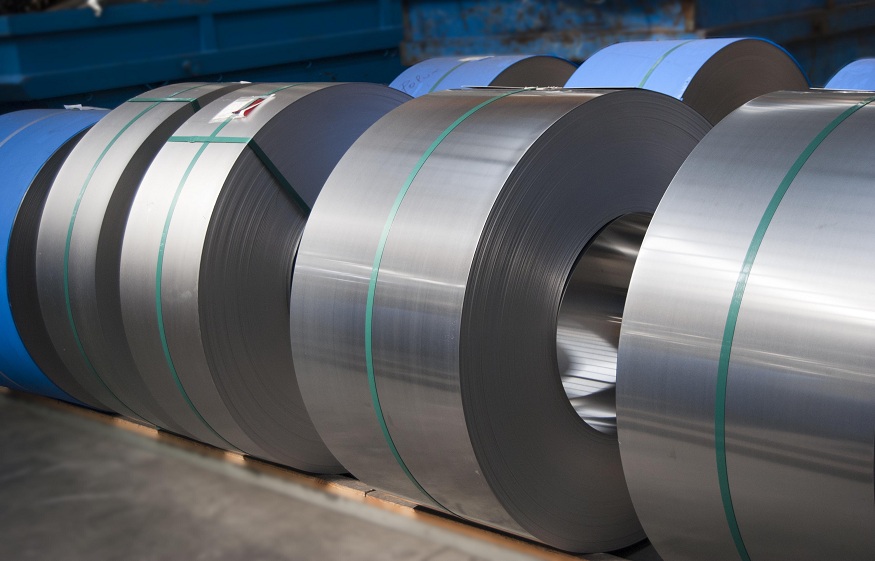
Procurement teams are often expected to balance availability, cost, quality, and production timelines in the same decision. When the requirement is for hot-rolled coils, that balance becomes even more important because the impact of the purchase is rarely limited to inward material planning.
It extends into processing, fabrication, inspection, and delivery readiness.
That is why sourcing cannot be handled as a routine buying exercise.
The material has to suit the intended use, the supplier has to communicate clearly, and the order has to fit the needs of the plant as well as the purchase team. A coil may enter the business as raw material, but it is judged later by how well it supports manufacturing.
Start With the Application, Not the Price
Before procurement teams begin comparing offers, they need a clear understanding of the application. This sounds obvious, yet many sourcing issues begin when material is reviewed only through a commercial lens.
Read More: How Online Platforms Are Changing the Way People Discover Hidden Treasures
If the end use is not fully understood, the risk of a mismatch goes up. The order may still be placed, but production teams may later find that the material is not suited to the process they had in mind
Key checks at this stage include:
- The intended fabrication route
- Required dimensions and surface condition
- Whether the material will be cut, bent, welded, or formed
- How closely the order needs to align with production planning
Read the Specification More Carefully
A specification sheet gives direction, but it does not remove the need for judgement. Procurement teams should look at what the listed requirement means in actual processing terms, not just whether the line item can be matched.
This is particularly relevant while sourcing hot coil steel, where suitability often depends on how the material will behave once it leaves storage and enters fabrication.
Points worth reviewing include:
- Dimensional suitability for the intended part or section
- Flatness and consistency for handling and processing
- Surface condition where further treatment is involved
- Alignment between the purchase requirement and the downstream use
Assess the Supplier Beyond Availability
A supplier must provide service beyond a dispatch schedule. The procurement teams should have clarity on the material description, documentation, handling of orders, and the standard of communication.
Read More: Choosing the Right SaaS Marketing Agency for Your Startup
This is where supplier discipline becomes important. If responses are vague or incomplete at the inquiry stage, that lack of clarity often continues after the order is placed.
It helps to review:
- How specifications are confirmed
- Whether traceability and supporting documents are available
- How changes or deviations are communicated
- Whether technical queries are handled clearly
Think About What Happens on the Shop Floor
Good sourcing decisions usually show their value in production. Poor ones do too. The coil purchased without sufficient technical analysis might seem fine at the delivery point, and trouble may arise when cutting, forming, or welding starts.
That is why procurement should stay connected to manufacturing needs
Material decisions can influence:
- Ease of fabrication
- Preparation effort before processing
- Inspection pressure on internal teams
- Consistency across supply cycles
Balance Cost With Overall Procurement Value
Price will always matter, but price on its own rarely gives the full picture. Procurement teams should weigh commercial competitiveness against the wider value of the supply arrangement.
A lower rate may not support the same level of confidence if documentation is unclear, communication is weak, or the material fit is uncertain. That is why a broader view is useful when reviewing AMNS hot-rolled or any comparable sourcing option.
A balanced evaluation usually considers:
- Material suitability
- Supply clarity
- Documentation readiness
- Coordination ease across teams
Conclusion
Procurement teams need to seek more than mere availability and prices before sourcing hot-rolled coils. The more solid decision most often is the one that links material selection with the real production requirements, the supplier discipline and the process appropriateness.
When procurement works with that level of attention, the purchase is no longer just about bringing steel in. It becomes a more informed decision that supports smoother operations, better internal alignment, and greater confidence across the manufacturing cycle.