
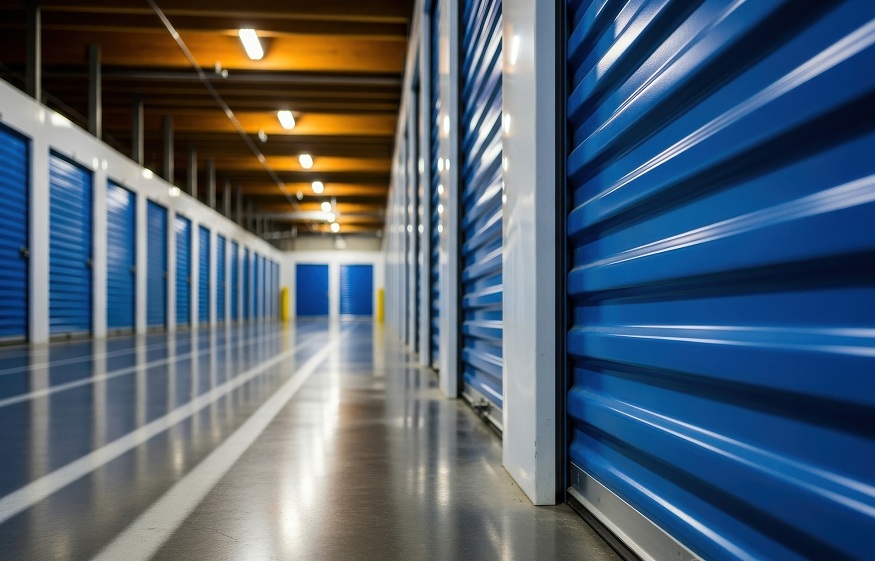
Drive through any American town and you’ll spot them. Those long, low buildings with endless rows of orange or blue doors. Storage facilities have become as common as coffee shops, yet few people grasp the economic powerhouse hiding behind those metal roll-ups. This industry moves billions of dollars. It creates unexpected jobs and fuels a whole secondary market that most people know nothing about.
A Massive Industry Hiding in Plain Sight
The numbers hit differently when you actually see them. American storage facilities occupy an area of 2.3 billion square feet. Right now, one out of every ten households pays monthly rent on a unit somewhere. Rent runs from fifty bucks for a closet-sized space to five hundred or more for something you could park an RV in.
The business model attracts all sorts of players. A retired couple might buy a small facility for a steady income. Meanwhile, Wall Street firms gobble up chains with hundreds of locations. Some facilities stay full year-round with waiting lists. Others struggle to fill half their units. Location matters. So does management. And timing. A facility near a military base fills up during deployment season. College towns see spikes every May when dorms close.
These businesses don’t just collect rent and call it a day. They sell boxes, tape, and bubble wrap. They rent trucks. Some offer wine storage with perfect temperature control. Others provide workspaces where small businesses can pack shipments. The smart operators squeeze revenue from every square foot.
The Resale Market Nobody Talks About
People stop paying their storage bills for many reasons. Death, divorce, deployment, or just plain forgetfulness. After the legal waiting period, those units go up for sale. This creates an entire subculture of professional buyers. Storage unit auctions happen daily across the country, and platforms like Lockerfox now connect these buyers with facilities online, turning what used to be small local events into a nationwide marketplace where anyone can bid from their couch.
Some buyers hit these auctions five days a week. They know which facilities attract wealthy clientele, and they recognize valuable furniture styles at a glance. They handle thousands of items monthly. A unit could hold bags of clothes for textile recycling. Or pristine power tools heading to a construction company. Vintage toys that collectors will fight over. Furniture for staging homes. Books for used bookstores. Even old electronics get broken down for precious metals.
Jobs and Opportunities You’d Never Expect
Think about who actually works at these places. Sure, there’s the manager sitting in the front office. But somebody maintains those gates and keypads. Someone else repairs doors, replaces lightbulbs, and patches roofs. Bigger facilities need multiple employees just to handle daily traffic.
The ecosystem spreads wider, though. Truck rental shops cluster near storage facilities because customers need vehicles. Professional organizers help people sort through decades of accumulation. Junk haulers make good money clearing out units after auctions end.
Specialty services pop up too. Climate-controlled facilities need HVAC technicians regularly. Facilities with wine storage employ consultants who understand proper cellaring. Some places hire social media managers to advertise units and upcoming auctions.
Even the auction process creates work. Somebody photographs units before sale. Another person processes payments and coordinates clean-outs. Appraisers evaluate special collections. Lawyers untangle ownership disputes when family members fight over inherited units.
Conclusion
Those unremarkable storage facilities are central to an extensive economic web. Billions of dollars change hands. Thousands of people earn their living. Forgotten treasures find new homes. The storage industry proves that even the most ordinary-looking businesses can hide extraordinary complexity. Each roll-up door hides possibilities: profit, discovery, or the chance for old things to be reborn.