
From Oil to Tech Stocks: The Variety of Markets Available Through CFDs
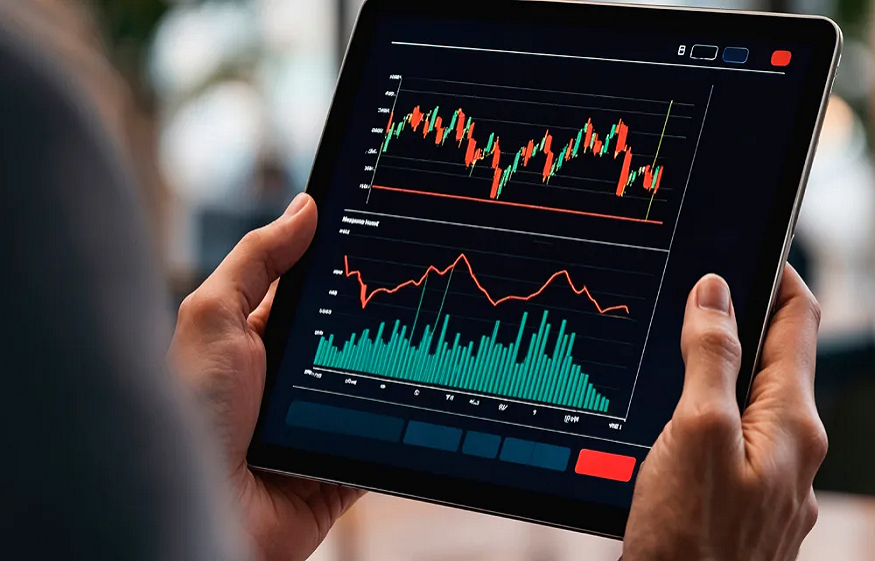
Financial markets have transformed dramatically over the past decades, providing traders and investors with access to a wide range of asset classes that were once difficult to reach. Today, thanks to advanced trading platforms and innovative financial instruments, individuals can explore multiple markets through a single account. Contracts for Difference, or CFDs, are among the most versatile tools, enabling traders to speculate on price movements across diverse assets without owning them outright.
CFDs have grown popular because they allow investors to diversify their strategies and capitalise on opportunities across different sectors. From commodities like oil to technology stocks and global indices, these instruments provide a practical way to engage with both traditional and modern financial markets in an efficient and streamlined manner.
Understanding CFDs and How They Work
A Contract for Difference is a financial agreement between a trader and a broker that mirrors the price movement of an underlying asset. Instead of buying the asset itself, the trader enters a position to gain or lose based on whether the price rises or falls between the opening and closing of the trade. Profits and losses are determined solely by this difference.
This structure provides flexibility because it eliminates the need for physical ownership of assets. Traders can focus entirely on price action and market analysis, making CFDs ideal for individuals who want to participate in multiple markets without the logistical challenges of managing different investments.
Read More: What to Look for in a Professional Online Trading Platform
CFDs also allow investors to trade in both directions. A buy position benefits from rising prices, while a sell position can profit from a decline. This dual capability makes CFDs suitable for a wide range of market conditions, including hedging existing positions or pursuing short-term trends.
Trading Commodity Markets Through CFDs
Commodities such as crude oil, natural gas, and precious metals remain central to global financial markets. Prices are influenced by supply and demand, geopolitical developments, and macroeconomic indicators. CFDs provide traders access to these markets without the need to physically purchase or store commodities.
Oil, for instance, is one of the most actively traded commodities. Prices fluctuate due to changes in production levels, global supply disruptions, and economic demand indicators. Precious metals like gold and silver often act as safe-haven assets during periods of market uncertainty. CFD trading allows investors to capitalise on these movements efficiently, whether they are seeking short-term gains or positioning for longer-term trends.
Commodity CFDs also provide the flexibility to respond quickly to global events, allowing traders to implement strategies that capitalise on both immediate market reactions and broader economic trends.
Speculating on Stocks and Equity Markets
Equities, representing ownership in publicly listed companies, remain among the most popular assets for investors. Their performance is influenced by company earnings, sector developments, and overall economic conditions. Through CFDs, traders can speculate on stock price movements without owning the shares.
Read More: Dividend Intelligence: How Experienced Belgian Investors Optimise Yield Without Sacrificing Growth
Technology stocks, in particular, have demonstrated strong growth and high volatility in recent years. Traders can respond quickly to earnings reports, product launches, or other news affecting tech companies by opening buy or sell CFD positions. Short-selling, which allows traders to benefit from falling prices, is also straightforward through CFDs—a process that is often more complex with traditional stock ownership.
This approach provides flexibility and supports active market engagement, enabling traders to develop strategies based on both technical and fundamental analysis while adapting to rapidly changing conditions.
Accessing Indices and Global Markets
Stock indices track the performance of groups of companies and provide insight into overall market trends. CFDs allow traders to take positions on these indices without purchasing all constituent stocks individually, offering exposure to entire markets or sectors.
Index values respond to macroeconomic developments such as employment data, GDP growth, and central bank decisions. By trading CFDs on indices, investors can diversify their portfolios and respond to broader market trends rather than focusing solely on individual companies. Platforms like ADSS Dubai provide access to these indices, helping traders monitor global markets and execute trades efficiently.
Trading indices via CFDs can also complement equity or commodity positions, providing a way to hedge risk or capture market momentum across multiple sectors.
Leveraging Opportunities Across Multiple Asset Classes
CFDs often allow the use of leverage, which enables traders to control larger positions with a smaller initial investment. Leverage can enhance potential gains, making it attractive for those looking to potentially maximise returns from short-term price movements.
However, leverage also increases risk, as losses can be amplified if market movements are unfavourable. Effective risk management is essential, including the use of stop-loss orders, careful position sizing, and disciplined trading practices.
CFDs also allow for diversified trading across asset classes. Investors can simultaneously access commodities, equities, and indices through a single platform, making it easier to balance portfolios and explore opportunities in different markets efficiently.
Conclusion
CFDs have transformed the way traders access global financial markets, offering a single instrument to speculate on commodities, stocks, and indices. This versatility allows traders to respond quickly to market developments, diversify strategies, and engage with multiple asset classes without the complexities of traditional ownership.
At the same time, success in CFD trading requires discipline, preparation, and a strong focus on risk management. Investors who understand market dynamics and develop thoughtful strategies are better positioned to navigate modern financial markets while taking full advantage of the flexibility and opportunities provided by CFDs.